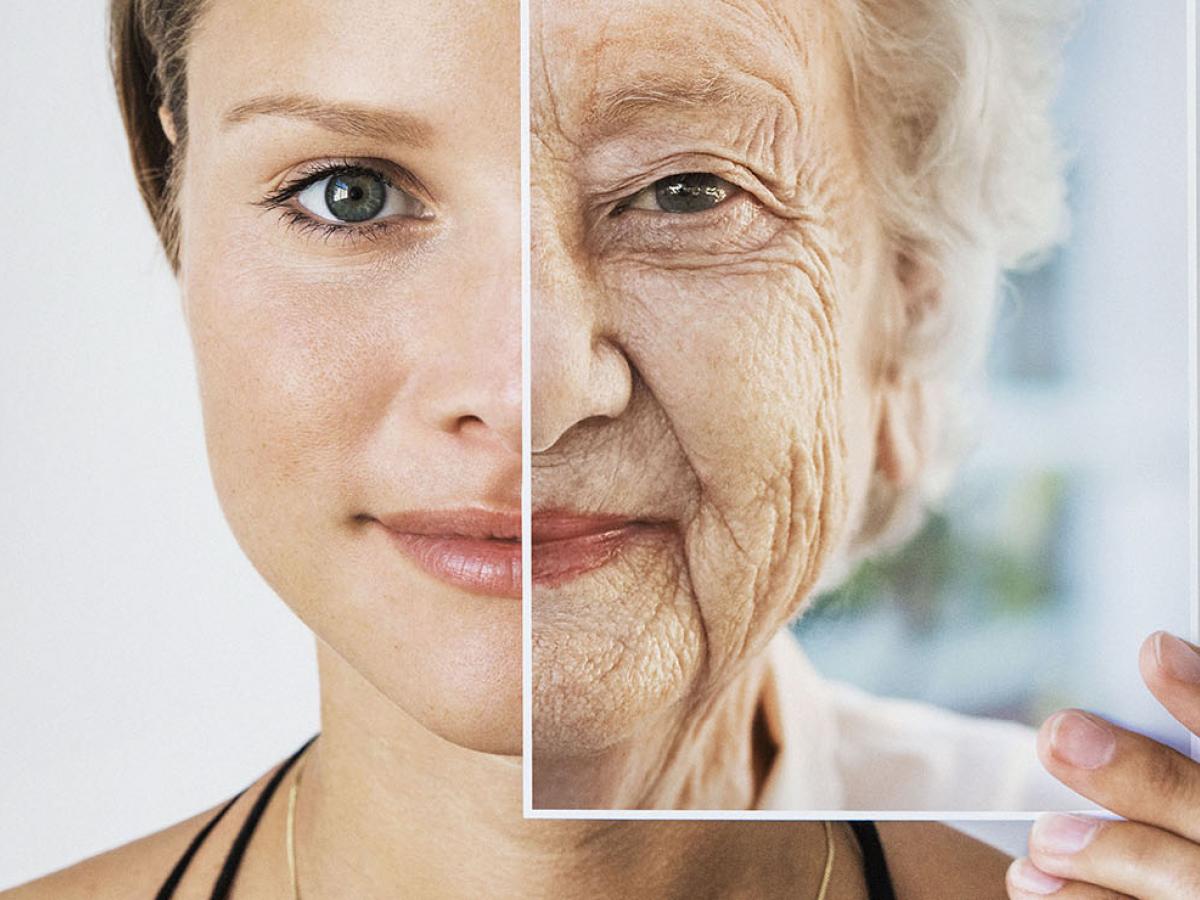
Skin and aging are often in the same sentence. Like salt and pepper or peanut butter and jelly right? Our skin is a barometer of our biological age but does it have to be? Well, maybe not. But changes seen with the skin over time are a normal process and inevitable. Aging is the primary unifier for all humankind. Although we all age differently due to genetics, environmental factors and utilization of interventions or regenerative techniques, we share the fundamental aspects of aging, and the skin is no exception.
Probably the most prominent thing we talk about with skin aging is wrinkling. As we age, we lose collagen and elastin, which causes those lines to form and adds skin fragility over time. After age 30, we lose about 1% of collagen per year with the most notable change occurring during menopause. Some studies show up to a 30% decrease in collagen during the first 5 years of menopause. As if menopause wasn’t frightening enough? Right? In addition to collagen, another protein, known as elastin, also decreases as we age. Elastin is what gives our skin that firmness or what I like to call that “bounce back” quality. Think of collagen and elastin as the dream team for youthful skin and when they start to break down, the sagging starts.
The epidermis, or top layer of your skin also thins with age. Our skin cell turnover decreases over time, which results in a thinner epidermal layer. The top layer of the epidermis, known as the stratum corneum, may ironically thicken as we get older. The combination of decreased skin cell turnover and a thicker stratum corneum is why many of us feel that our skin appears duller over time and the need to exfoliate may increase. Another cell type that also decreases is melanocytes or the pigment producing cells in your skin.
So what else goes down? Well, something you might be happier to hear about—fat. But not that stubborn belly fat you’ve been trying to lose since the last holiday season. I’m talking about the fat right below your skin on the extremities. Fat helps the skin to look more solid in color and it also cushions your blood vessels and acts as a shock absorber. Over time, as the fat layer decreases, along with epidermal thickness, collagen, elastin and melanocytes, older skin becomes more translucent.
Certain factors can accelerate age-related changes in the skin, like ultraviolet light exposure, pollution, and smoking. If you’ve gotten a lot of sun or used a tanning bed, you know what I’m talking about. Stress can also play a role in aging skin as well. The trifecta of UV light, smoking and stress is a common denominator in many of my own patients, especially women, who look well beyond their biological age. Finally, genetics may also play a role for some. We all know baby-faced individuals or those who just seem to age well even if they haven’t been a saint when it comes to sun protection or tobacco use.
And then there’s the bruising. Known as actinic purpura, these pesky spots drive everyone crazy. They are a result of a loss of subcutaneous fat and blood vessel wall fragility combined with minor pressure or trauma and compounded by medications like blood thinners or prednisone. Formerly referred to as senile purpura, these lesions drive patients crazy and are difficult to treat, but some report improvements with arnica based products.
So what’s the most common reason those aged 65 and older see a dermatologist? The answer—itching. Dry skin can often be the culprit because the oil glands also reduce production over time or because of a breakdown in the skin barrier with aging. Sometimes medications, like statins, can also dry out the skin, or the medication itself could be the source of itch. Itching may also be related to internal causes like liver or kidney disease, anemia, thyroid dysfunction, infection or even an underlying cancer. Itching may also be neurogenic in origin, which means it’s caused by damaged nerves, such in the case of degenerative disc disease.
Trotter’s Take: Many changes in the skin are anticipated due to aging, but proper skin care such as barrier repair and sunscreen can help make the journey easier while improving the health of skin overall.
Thinking about age related changes in your own skin now or in the future? Then check out my latest podcast with Dr. Dan Butler as he talks skin through the ages.