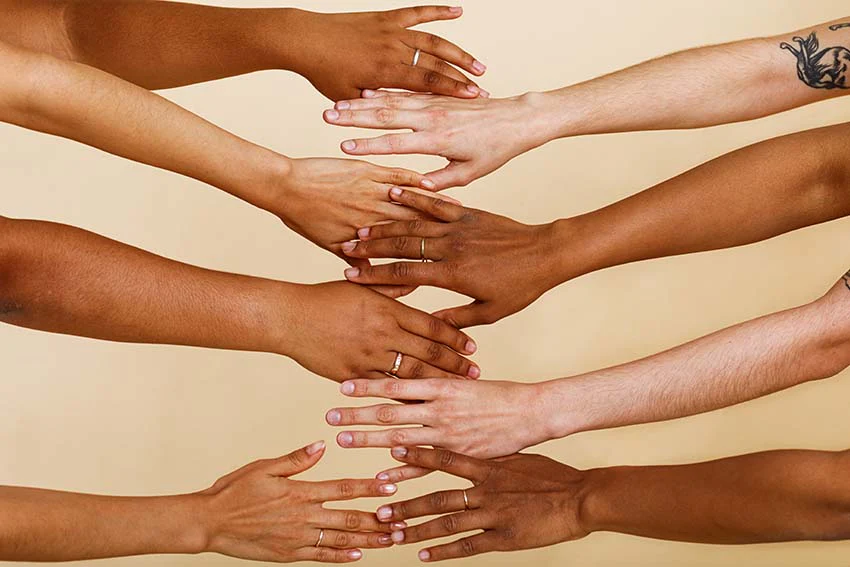
Skin tone is something we’ve all thought about at one point. Often we’re disappointed in how our tone tends to be off, areas that are too light or too dark, or for me, areas that are too pink or red, especially when my rosacea flares. The reality is, we all have different tones to our skin which impact how skin conditions present and explain why my eczema looks different on my fair skin compared to my husband, who is Hispanic and Italian and dons a bronzed look year-round. Yes, I’m just a little jelly.
Our skin tone is determined by our genetics. Our genes decide how much and what type of melanin we produce as well as the size and distribution of melanosomes, tiny structures that package and store melanin. Factors that can affect our skin tone include sun exposure, hormonal changes and medical conditions like vitiligo. Even the lighting surrounding us can affect our skin tone. Shadows are my enemy. Beyond biology, skin tone is a diverse spectrum that has intimate connections with our identity, culture and ethnicity.
Skin tone has finally started to gain momentum in dermatology for its clinical importance and the need for more research with diverse skin tones. Education efforts for dermatologists in training and those already in practice have grown to develop a better understanding of the relationship between skin tone and various skin conditions. From clinical presentation to genetic and molecular findings, diverse skin tones play an essential role in how we approach inflammatory skin diseases in patients.
In addition to our skin tone, we also have an undertone. It’s different from your actual tone and is the color that comes through your skin. This is what is used to help determine what colors will flatter your skin like hair color, make-up and clothes. Has anyone ever told you pink was your color? Skin undertones consist of three types: warm, cool and neural. If you’re curious about your own undertone, then use one of these tips to help identify your undertone.
1. Examine your veins. This is the most popular test. Flip your arm over and check out your veins. I hate this test because my skin is so translucent that my veins are bright blue or purple, which means a cool skin tone. My five-year-old calls them “rivers.” If your veins are green, then you’re warm and if your veins are in between, then you’re likely neutral.
2. Do the tissue or paper test. Just like for your teeth but now turn your wrist over and hold a white tissue or piece of paper against your skin. If your skin looks more vibrant when you hold the piece of paper up, you’re on the cool side but if the paper makes your skin look dull, then you’re warm. You can also use white clothing too.
3. Try on your jewelry!Gold flatters warm skin tone while silver looks best on cool skin. Look in a mirror and see if you notice the difference. The good news is diamonds look good on everyone.
4. Look at your hair and eye color (natural that is). Not a perfect measure, but pretty reliable. People with lighter hair and eyes often have cool skin tones, and those with darker hair and eyes frequently have warm undertones.
5. Go out in the sun! But with your sunscreen and sun protective clothing. How your skin reacts to the sun can also suggest what your undertone is. Warm tones tend to tan and cool tones usually burn. Neutral tones often burn first then tan.
Trotter’s Take: Our skin tones should be celebrated and recognized for their cultural significance and relevance to dermatology for the clinical presentation of various skin conditions. For more about how relevant our skin color is to diagnosing and identifying skin conditions, check out my latest podcast with