
Do your cheeks look like you have blush on year-round? Do you flush easily, or have you started to get acne bumps and redness into your 30s, 40s, and 50s? Do your eyes sting or look red all the time, like you’ve been up all night reading my blogs? You are not alone—many people can’t stop reading my blogs! However, you may have a skin condition known as rosacea. But let me assure you, there is nothing rosy about it.
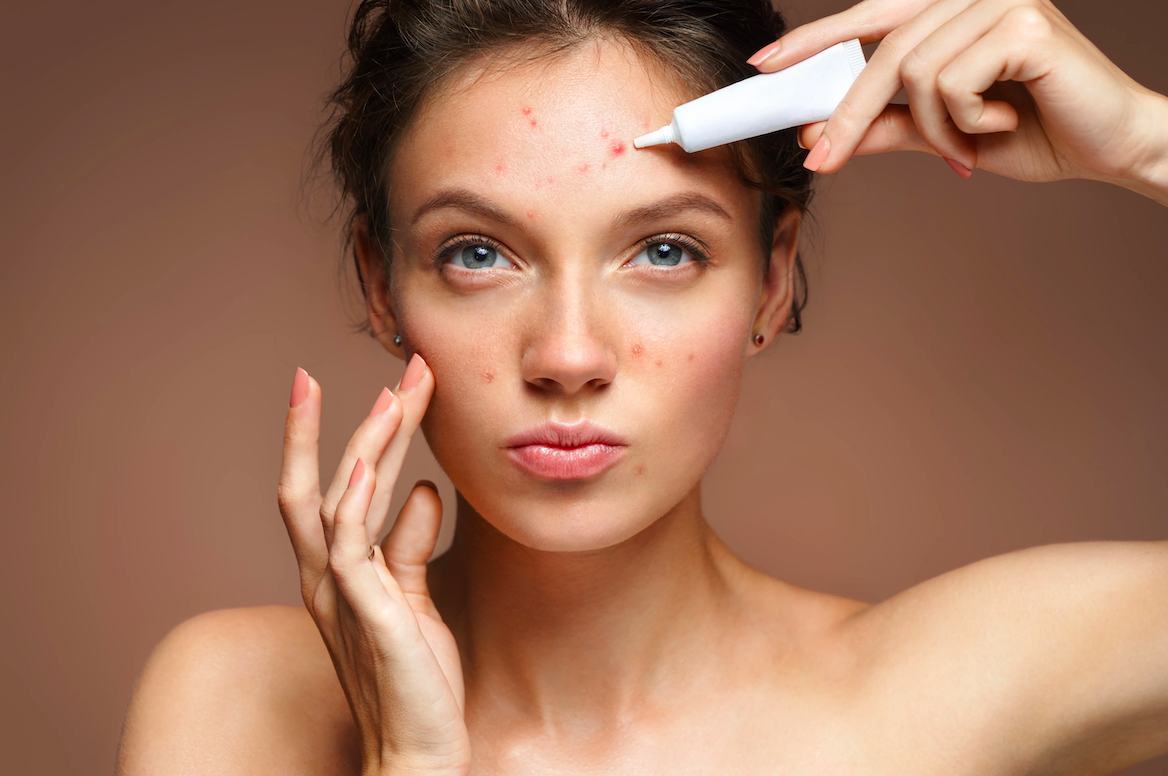
Rosacea is a chronic, inflammatory skin condition that involves the face. It typically loves the nose, cheeks, chin, and forehead and can extend to the ears, neck, chest, and back. Not only does it present with redness on your face, but you might notice broken blood vessels, red bumps, or little pimples. Rosacea skin can be very dry or oily and is often sensitive to the sun, wind, heat, cold, and beauty products. Some people with rosacea notice swelling or stinging in their skin, too. Over time, rosacea can also lead to skin thickening, resembling an orange peel, especially in the nose. When the nose is affected we call it rhinophyma.
Although more common in fair skin types from Northern European descent and adult women, rosacea can also affect children and diverse skin tones. The real question behind rosacea is–what is driving the inflammation we see on the skin? We don’t know exactly but several factors may play a role like topical steroid use, genetics, defects in the immune system, nervous system and facial blood vessels, and the presence of organisms on the skin like Demodex mites. Mites? Oh yes, you heard me right. These cuties live on our skin typically as a friend but they appear to be a foe for most rosacea patients.
In addition to the skin, rosacea may even affect the eyes. Yes, if your eyes have that out partying all night look, sting, or burn, it might be what we call eye or ocular rosacea. The eyelids can also swell or become inflamed, a condition known as blepharitis. Ocular rosacea may also present with recurrent styes, those painful red bumps along the eyelid line that take forever to resolve. If left untreated, ocular rosacea can lead to scarring and vision problems. If you have skin rosacea, it’s not automatic that you will have eye involvement or visa versa. Moreover, the severity of your eye and skin rosacea might not be the same or correlate. Some people have very little or no skin involvement yet have severe ocular rosacea. On the other hand, some patients have severe skin involvement but no eye rosacea.
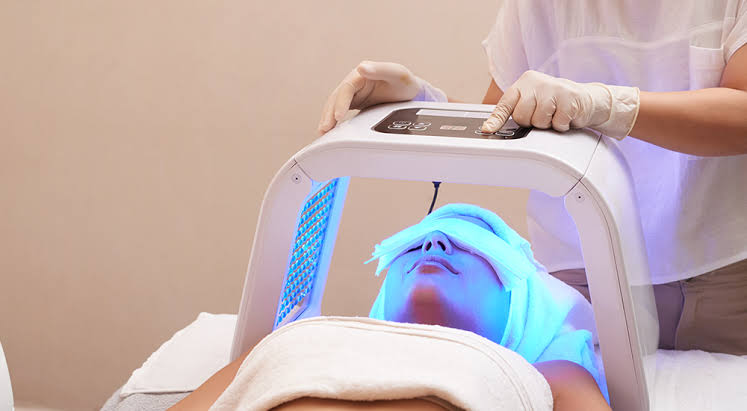
Treatment of rosacea may include prescription topicals that are anti-inflammatory, like antibiotics, sulfur drugs, retinoids, benzoyl peroxide, azelaic acid, ivermectin and hypochlorous acid. Oral antibiotics, ivermectin, and isotretinoin have also been used to treat rosacea. Some patients benefit from laser treatments to reduce redness or thickened skin. Some rosacea sufferers are also turning to supplements like omega 3 fatty acids, vitamin D or zinc to name a few. Certain skincare products, stress, sun exposure, emotional triggers, foods, alcohol, or heat are all known triggers to cause a rosacea flare. Treatment focuses on reducing exposure to these flares when possible and including sunscreen as a daily practice. In addition, rosacea sufferers must be choosy about what products they use for cleansing the skin, sun protection, anti-aging benefits, and makeup. The National Rosacea Society (NRS) has a Seal of Acceptance to help pick products that might be better for rosacea. Remember that not everyone reacts the same; what works for someone else may not be the best fit for your rosacea skin.
One thing that often is forgotten is the impact of rosacea on someone’s quality of life. Traditionally, if you had a constant red nose, society would assume that you must be an alcoholic and shame you. Can you imagine? You might not even drink at all, let alone abuse alcohol, and because you have rosacea, people might accuse you of being a drunk. Moreover, some of my patients have “FOF,” what I call Fear Of Flaring. These patients are obsessed with avoiding triggers and are constantly fearful of rosacea flares. Because of these reasons, rosacea patients can isolate themselves and not engage socially with friends, family, or the workplace.
Trotter’s Take: If you think you have rosacea, it’s a good idea to see a dermatologist and confirm the diagnosis. Starting a rosacea treatment early can improve your symptoms and may prevent it from worsening.